Why Great Founder Portraits Matter for Business Owners (NJ and PA)
Anonymous
March 2, 2026 · 11 min read
Before someone in New Jersey or Pennsylvania books a call, walks into your office, or takes your referral seriously, they usually see your face online. That first look happens fast, and it quietly answers a few questions: Do you seem legit? Do you look approachable? Would I trust you with my budget, my project, or my career?
A good portrait is one of the quickest ways to build trust. It helps you look credible without saying a word, and it makes your brand feel human instead of faceless. Your portrait also shows up more places than most founders expect:
- LinkedIn profile and banner posts
- Website About page and team page
- Press features and podcast cover art
- Speaking event bios and conference slides
- Email signature and proposals
- Zoom and Google Meet profiles
In 2026, people are also more sensitive to images that look "too perfect." Heavy retouching and AI-looking faces can raise doubt, even when the intent was professional. The goal now is simple: look like yourself on a great day.
This post breaks down why founder portraits matter, where they're used, what "good" really means, and how to prep so it feels easy and natural.
Why good portraits change how people trust you and your business
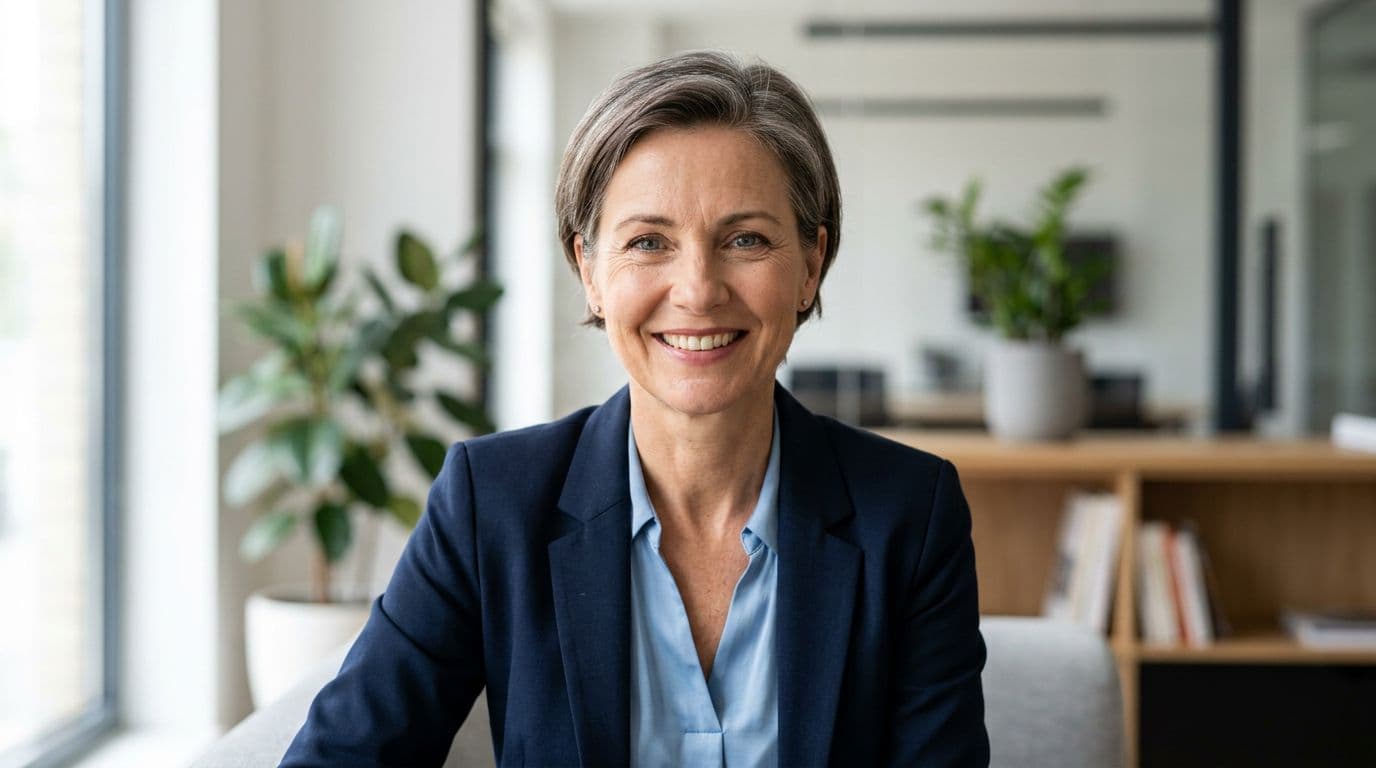 An example of a clean, confident founder portrait, created with AI.
A founder portrait isn't about vanity. It's about reducing friction. When your photo looks current, clear, and professional, people feel safer reaching out. As a result, you can see more replies to cold emails, more accepted connection requests, and smoother first meetings.
It also affects perceived quality. If your portrait feels thrown together, prospects may assume your service is too. On the other hand, a strong portrait signals care and consistency. That matters for service businesses, local brands, agencies, consultants, attorneys, contractors, and anyone who sells trust.
Numbers back this up. Reports on LinkedIn photo performance commonly cite big jumps in visibility and messages when a profile uses a professional-looking image. For example, this roundup of LinkedIn profile photo statistics includes the often-quoted "14x more views" and "36x more messages" figures tied to having a high-quality photo. Whether you're selling, recruiting, or building partnerships, those outcomes aren't small.
Just as important, people form impressions fast. That doesn't mean you need to look "corporate." It means your portrait should make it easy to read you, your energy, and your role.
A strong portrait makes you look established, even if you're still growing
Early-stage founders compete with bigger brands every day. You may have a smaller team, a newer website, or fewer case studies. Still, your portrait can help you show up with confidence.
A good founder portrait sends a clean signal: you take the work seriously. It also says you're willing to be visible. That sounds basic, yet it's rare. Many business owners hide behind logos, old photos, or low-quality phone shots because they're busy. Unfortunately, that choice can make a growing company feel less stable than it really is.
The best portraits balance two traits that clients want at the same time: capability and warmth. Lighting, expression, and posture do a lot of that work. When your face is well-lit and your eyes are clear, you look open. When your shoulders are relaxed and your expression is calm, you look steady. Together, those cues help viewers feel comfortable taking the next step.
People buy from people, your portrait helps them feel like they know you
You've felt it before. You follow someone online, you see their face often, and they start to feel familiar. That familiarity lowers the barrier to reaching out. It's not magic, it's simple human pattern recognition.
For founders, that "I've seen you before" feeling is powerful. It helps with:
- local referrals (neighbors want to recognize who they're hiring)
- partnerships (people prefer a real person over a faceless brand)
- recruiting (candidates want to picture who they'll work with)
- investor and community conversations (confidence reads quickly)
If you're curious how fast those judgments happen on platforms like LinkedIn, this write-up on recruiters screening profiles quickly highlights how little time you often get to make a strong first impression. Your portrait is one of the first signals they process.
The key is not to look "perfect." The key is to look real, clear, and present.
Where your portrait shows up, and what each place needs
 Photo by Lubomir Satko
Many founders try to use one photo everywhere. Sometimes that works, but it often falls apart in real life. A LinkedIn thumbnail has different needs than a website header crop. A press kit needs high resolution. A speaking bio needs a bit more personality.
Instead of thinking "one photo," think "one session that produces a small set." That way, you can stay consistent while still matching each channel.
Here's the practical difference between common uses:
- Small thumbnail spaces need your face to be clear and easy to recognize. Tight crop, simple background, strong eye contact.
- Website and press need a timeless feel and enough resolution for editors to use. The vibe should match your brand tone.
- Marketing materials often need negative space for design. Wider framing helps.
- Video calls reward a friendly, relaxed expression because people see you at screen distance.
When you plan for these outputs upfront, you don't have to force a single image to do every job.
LinkedIn and investor decks: clean, confident, easy to recognize
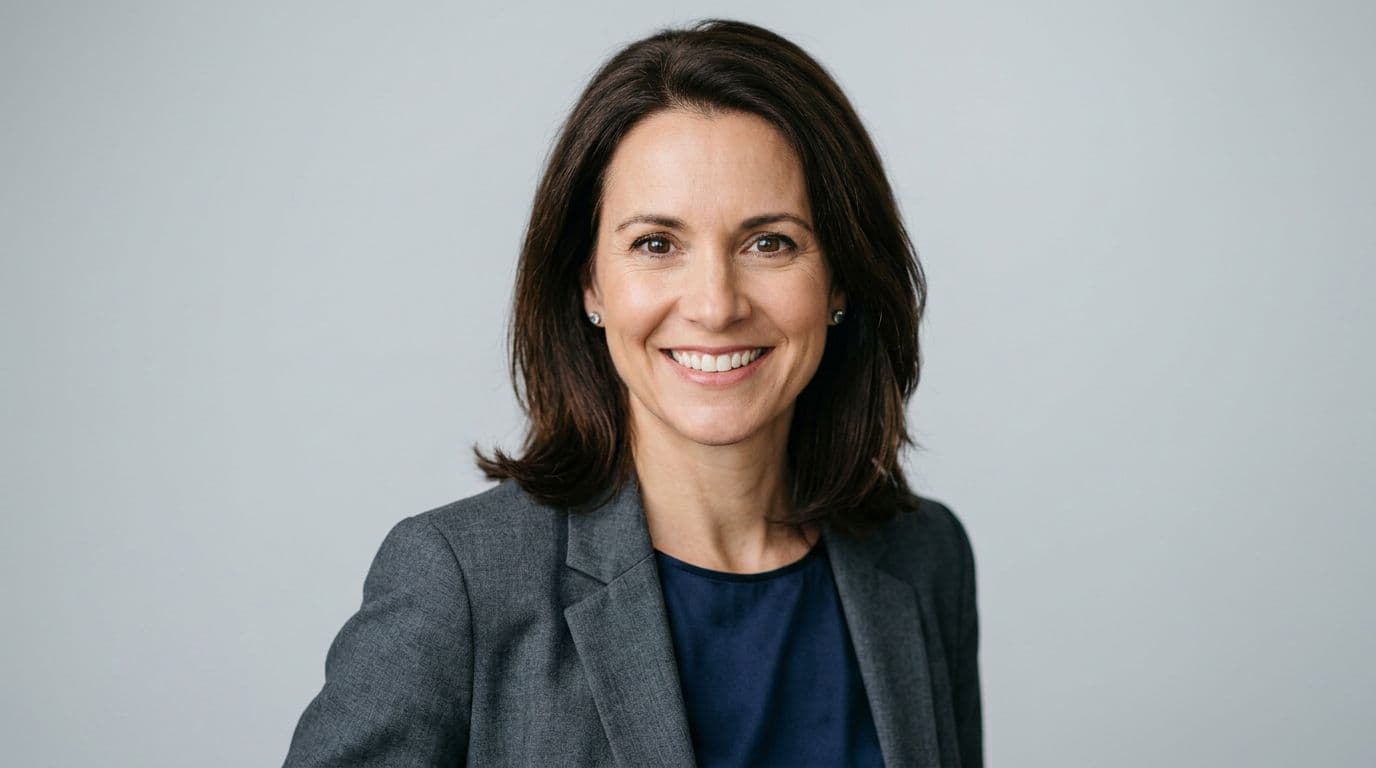 An example of a warm, approachable headshot style, created with AI.
LinkedIn is the classic "tiny circle" problem. Your photo often shows up as a thumbnail next to your name in search results, comments, and messages. Because of that, the face has to read clearly. A wider crop with lots of background can look great on a website, but it can fail on LinkedIn.
What tends to work best for founders and business owners:
- a simple background (solid, softly blurred, or clean office)
- direct eye contact and a natural smile
- sharp focus on the eyes, with even lighting
- modern wardrobe that fits your role, not a trend
- a crop that keeps the face large enough for thumbnails
For investor decks, credibility beats fashion. Your portrait doesn't need to look stiff, but it should feel dependable. If you want more data around LinkedIn's role in selling and deal flow, this roundup of LinkedIn stats for winning deals gives useful context on how decision-makers use the platform.
Website About page and press: tell a story that matches your brand
Your About page is where people decide what kind of leader you are. The portrait should fit the tone of your business:
- a friendly founder for a family practice or local service brand
- a bold innovator for tech and startups
- a calm expert for finance, law, or healthcare-adjacent work
- a creative leader for agencies and studios
Color and environment matter more here. A bright, airy photo can feel right for wellness and lifestyle brands. A darker, moodier setup can fit higher-end services. Either way, it has to feel consistent with your site.
Press is another reason to get this right. Journalists, podcasters, and event organizers often grab whatever headshot they can find. If the best version of you is an old crop or a low-res file, that becomes the public image of your company. A current, high-resolution portrait saves time and avoids awkward "Can you send a better one?" emails.
What makes a founder portrait "good" (and what hurts results)
A good founder portrait is simple to describe: it looks like you, it looks current, and it feels trustworthy. No jargon required.
Start with expression. If your smile is forced, people feel it. If your face is relaxed and your eyes are clear, viewers relax too. Next, look at posture. Closed shoulders and a tucked chin can read as unsure. Open posture reads as confident and steady.
Then there's wardrobe. Clothing shouldn't steal attention. It should support the message. A founder in construction doesn't need the same outfit as a founder in a boutique marketing firm. Both can look professional, but "professional" should match the audience.
The fastest way to hurt results is to look artificial. In 2026, audiences have seen a lot of heavy filters and AI portraits. Some of those look great at first glance, yet they can also trigger a quiet question: "Is this real?" If your portrait feels over-smoothed or strangely perfect, trust can drop.
If you're weighing AI options, it helps to read a balanced take like this 2026 guide to AI headshots for LinkedIn. AI can be useful in some cases, but founders who rely on relationships usually benefit from real direction, real expression, and a real session that captures personality.
The fastest checklist for a portrait that looks real, modern, and professional
Use this as a quick gut-check before you upload a photo anywhere:
- Clear eyes: catchlights, no heavy shadows hiding them
- Relaxed jaw: no clenched smile or tight mouth
- Open shoulders: posture that reads confident, not stiff
- Wardrobe fits the role: aligned with your clients and industry
- Simple background: nothing competing with your face
- Natural retouching: keep skin texture, avoid plastic smoothing
- Updated within 1 to 2 years: especially if hair, weight, or style changed
- Consistent across platforms: same "you" everywhere people meet you
Comfort matters too. A portrait isn't only about the camera. It's also about coaching so you can settle in quickly and look like yourself.
If your photo makes people pause to figure out what's going on, you've already lost attention. Clarity wins.
Common portrait mistakes founders make when they're busy
Founders don't skip portraits because they don't care. They skip them because there's always something urgent. That's why the most common mistakes are the "good enough for now" choices.
A few that show up all the time:
A cropped wedding photo is the classic one. It might look nice, but it can feel off-brand, and the crop often looks awkward. Old headshots are another. If your photo is five years old, it can create a weird moment in person. Phone selfies can work for casual content, yet they often fail as a main business portrait because lighting and lens angle can distort the face.
Busy office backgrounds also cause trouble. Whiteboards, random people, messy shelves, and bright windows pull attention away from you. Trendy filters date fast too. What looked cool in 2023 can look odd in 2026.
None of this is a moral failing. It's just a quick fix that stayed too long.
How to prepare for a portrait session so it feels easy and looks like you
 A relaxed portrait session vibe that still looks professional, created with AI.
The best sessions don't feel like a performance. They feel guided. That's especially important for founders who don't love being photographed. You shouldn't have to show up "photogenic." A good photographer gets you there with direction, timing, and calm coaching.
For business owners in NJ and PA, the biggest win is planning portraits the same way you plan anything else: know the goal, keep prep simple, and give yourself enough time to arrive relaxed.
Den Sweeney is based in Cherry Hill, NJ, and he personally shoots every session. No handoff, no associate photographer. The point is a comfortable, real experience that produces portraits you can use everywhere, without looking over-edited or stiff.
Pick the goal first: what you want people to think in 3 seconds
A useful portrait starts with a simple question: what should someone feel right away?
Here are a few goals that work well for founders:
"Smart and friendly" fits consultants, service pros, and local brands. "High-end and calm" works for premium services. "Bold and modern" can fit startups and creative firms. "Approachable expert" is great for coaches, attorneys, and healthcare-adjacent leaders.
Once you pick that goal, choices get easier. Wardrobe becomes clearer. Background becomes obvious. Even your expression has direction. Also, bring a second outfit if you can. It gives you options for different platforms without changing your identity.
Simple prep steps that reduce stress and improve the final images
Most prep is about avoiding last-minute surprises.
The day before, aim for solid sleep and normal routines. Drink water, but don't overdo it right before the shoot. Avoid brand-new skincare products, spray tans, or a radical haircut the night before. Small changes can show up in photos more than you expect.
On the day of, keep it simple:
- wear solid colors or subtle textures, avoid tiny busy patterns
- bring a lint roller and blotting wipes (especially for warmer months)
- plan grooming ahead of time (beard lines, hair, nails)
- arrive a little early so you're not rushed
- practice a relaxed smile, then stop thinking about it
Good direction during the shoot does the rest. You'll get prompts for posture, chin angle, and expression so you don't have to guess. That guidance is what helps portraits look natural fast.
The goal isn't to look like someone else. It's to look like you, with confidence.
Conclusion
People meet you online first, so your portrait does real business work. It helps you earn trust, look credible, and stay consistent across LinkedIn, your website, press, and speaking opportunities. Most importantly, a "good" founder portrait in 2026 looks authentic, not over-edited or oddly perfect.
If you're a business owner or founder in NJ or PA, now's a smart time to update your portrait set. Choose images that feel current, human, and aligned with your brand, then use them everywhere your name shows up. Den Sweeney will personally guide the session in Cherry Hill so it feels comfortable and looks like you.
Have Questions About Your Photography Needs?
Give Den a call to discuss your project
📞 Call 267-975-0020